

Sometimes a T-shirt only needs one beautiful image. A flower. A cat. A good color palette. Maybe a short phrase. And that can be enough.
But sometimes you look at an image for a few extra seconds and wonder: what exactly is happening here? That is the moment when an illustration starts to feel like a little story.
What Does Storytelling Mean in Design?
Storytelling, or visual storytelling, has been part of graphic design for a long time. You can find it in comics, advertising posters, book illustrations, and infographics — anywhere an idea needs to come across through an image.
T-shirts became another medium for that. By the middle of the 20th century, graphic T-shirts were increasingly used for music, advertising, political messages, pop culture, and personal expression. A picture on a shirt could say something without needing a long explanation.
So what makes one image feel like a story, and another just a picture?
The Story Doesn’t Have to Be Complicated
A visual story doesn’t need an elaborate plot or layers of hidden meaning. Sometimes it’s just a small twist that makes you wonder what happened right before the picture — or what might happen next.
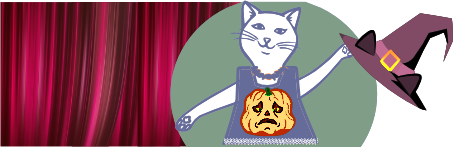
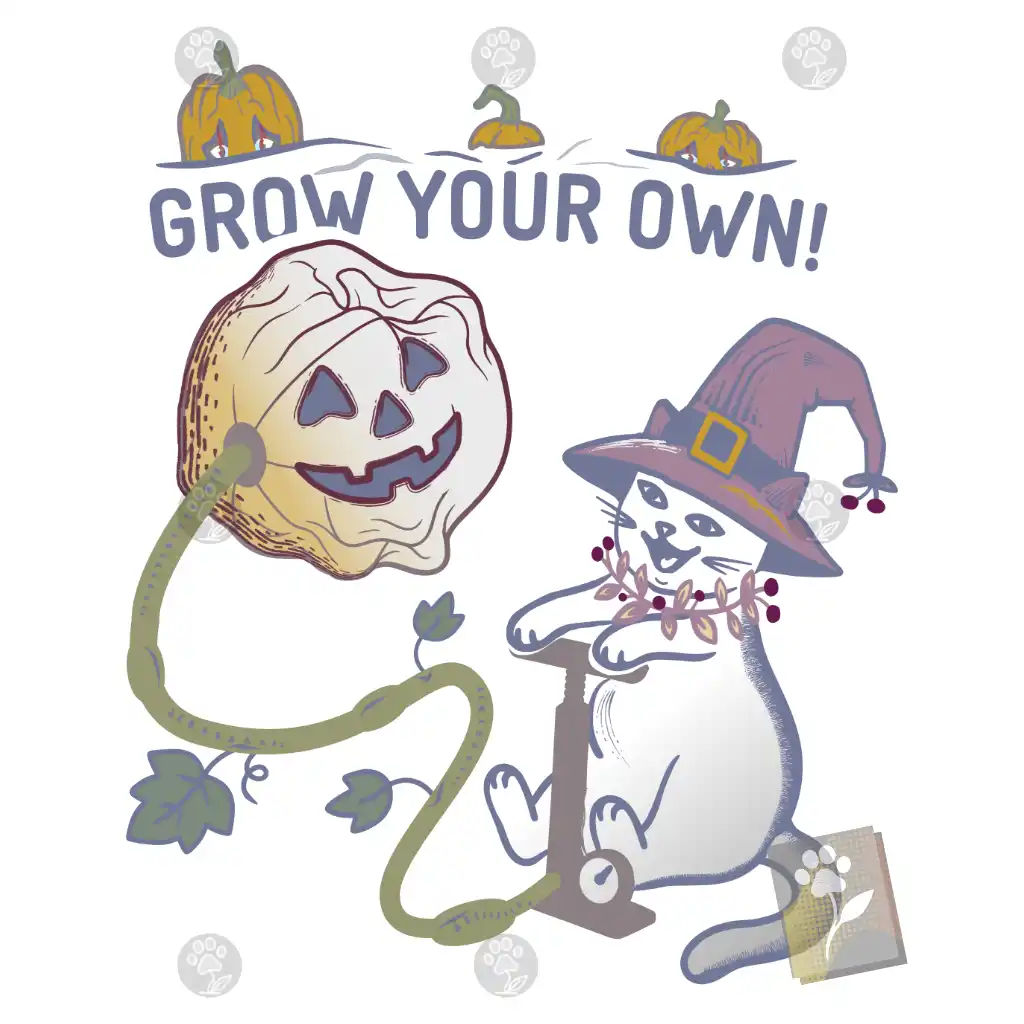
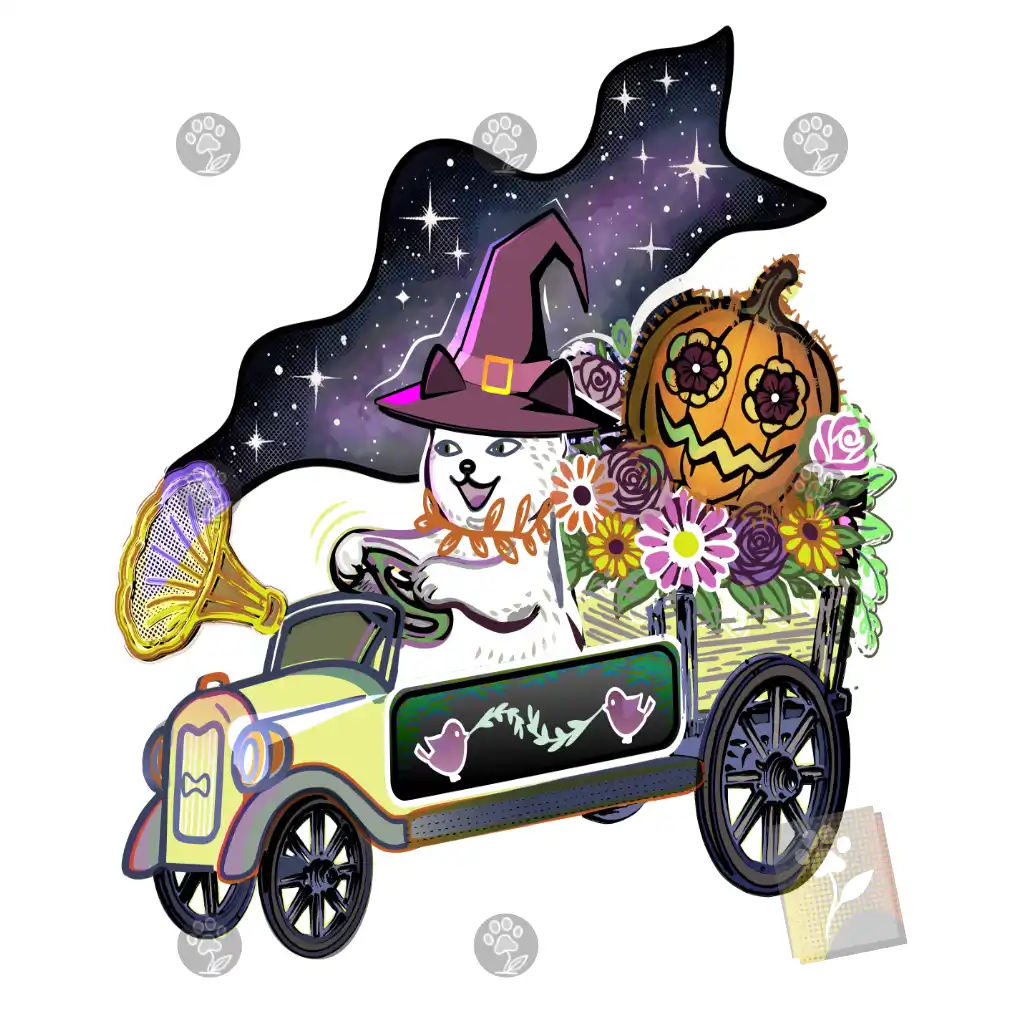
A cat choosing a flower-covered broom over an ordinary one is already a tiny story. A gardener cat driving home in an old truck loaded with flowers and harvest, a gramophone-like horn sending stars into the air, a pumpkin that seems to have developed a personality of its own — that’s another one. And sometimes a countryside cat grows his own pumpkins, the harvest doesn’t turn out quite as planned, and one of them simply becomes a ball instead.
These are small stories, but they give the characters something to do. They turn the illustration into more than just a collection of pretty objects.
One Hero, Several Stories
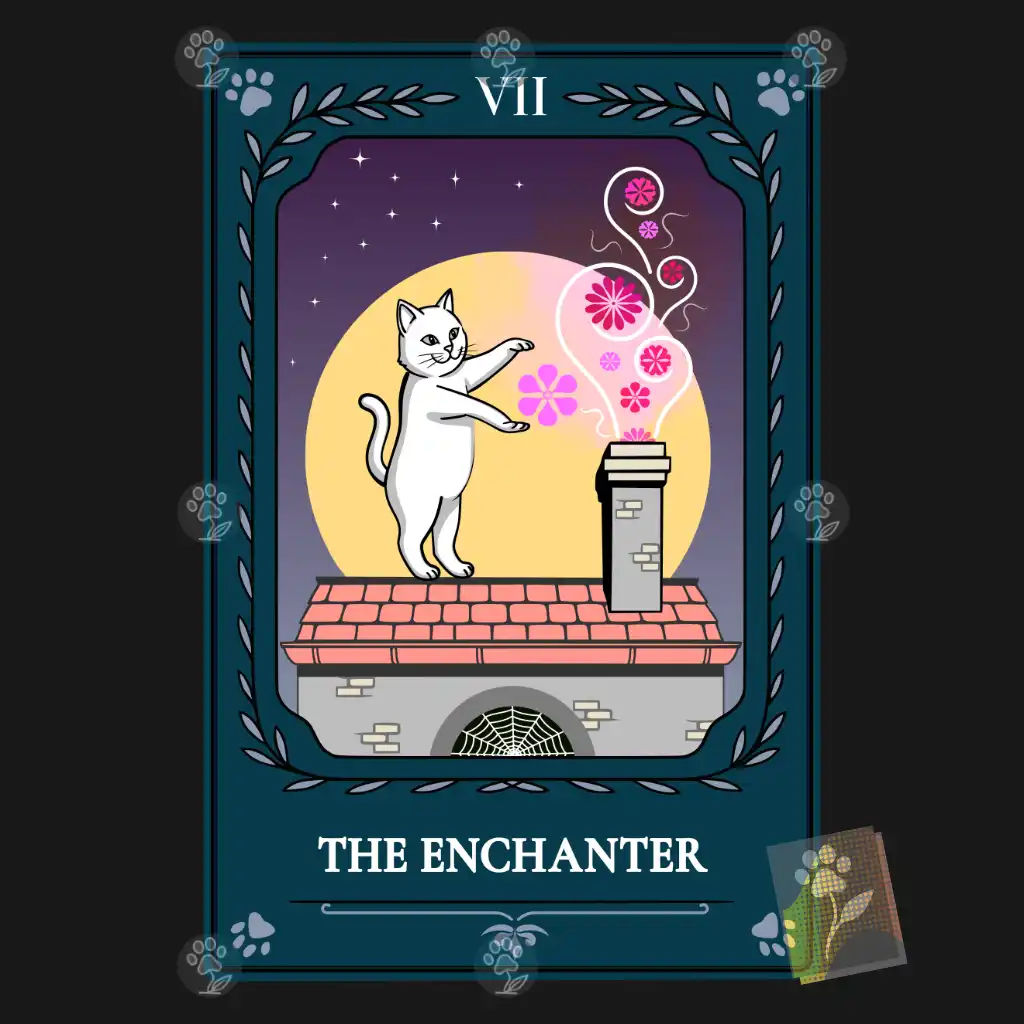
One of our favorite examples is the Magician cat from our Tarot-inspired series.
In one design, the Magician stands on a rooftop, catching the smoke from a chimney and turning it into a stream of flowers. The smoke becomes part of his magic.
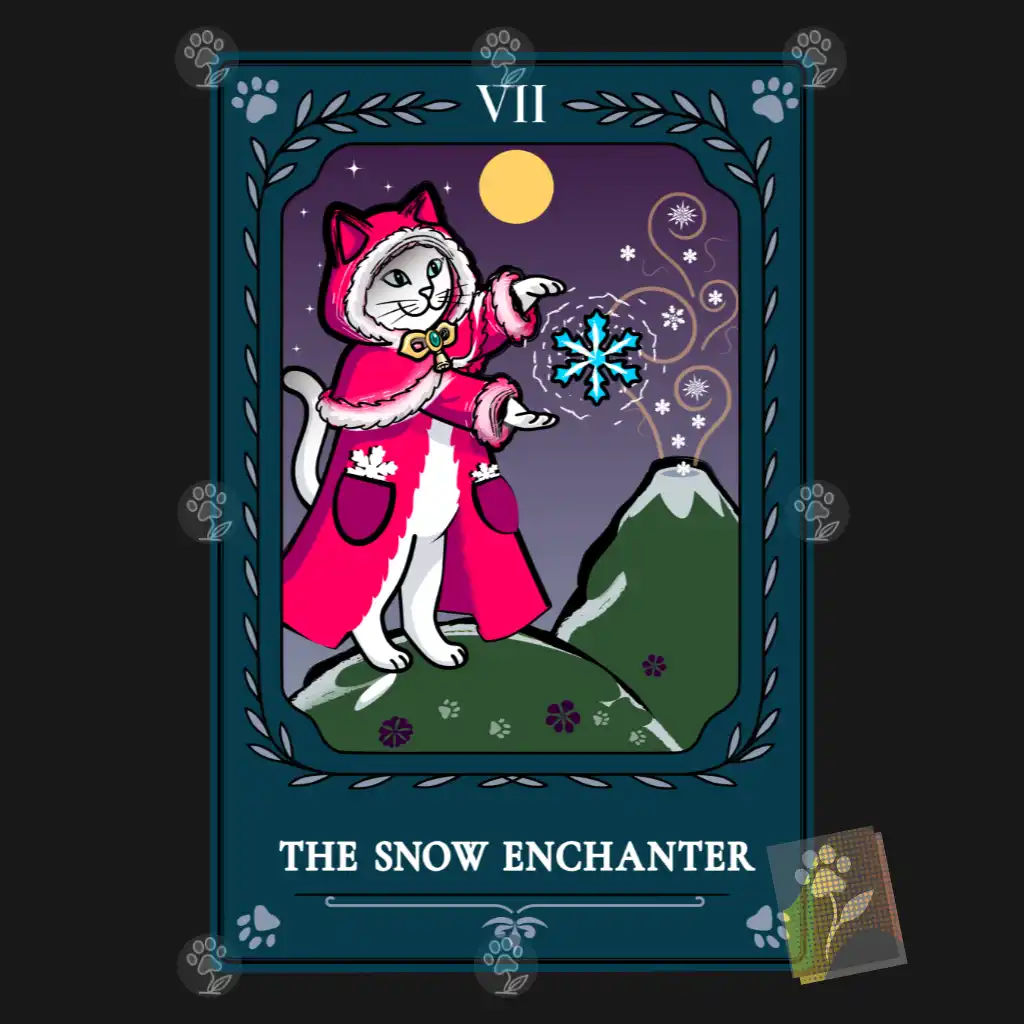
Later, we took the same Magician into a completely different world — a winter landscape on a mountain slope. Below him, a volcanic crater erupts, but instead of letting the plume stay a cloud of ash and smoke, he turns it into snowflakes. The setting is different now — a winter landscape with a New Year’s feel — but the character is still unmistakably him.
The idea is simple: the same character gets to live on in another story.
Why Don’t We Make Every Design Completely Different?
Some artists intentionally change their style from one illustration to the next — retro today, bright and pop-inspired tomorrow, something else entirely after that.
We chose a different approach.
CatnBloom is built around a visual language that stays recognizable. Cats and flowers keep showing up as recurring characters. Familiar shapes, small details, and collection palettes connect different designs, and some of our own little visual elements appear in more than one story — almost like recurring words in our own visual vocabulary.
Our two main worlds each lean a different way. Cottagecore Cats is built around gardens, flowers, harvests, nature, and the countryside. Witchy Cats Plants brings in magic, Tarot-inspired ideas, unusual plants, night skies, and a little cat mischief.
Elements can move from one story to another, but they still belong to the same world.
Why Is This Harder Than It Looks?
When you look at a finished illustration, everything seems to exist at once. But the story usually starts much earlier.
Who is this cat? What is he doing? What happened just before this moment? What might happen next? Is there a small detail that changes the meaning of the whole picture? Can something from another design show up here again?
Color is part of that process too. Each collection has its own palette, so a new piece has to fit that visual world without feeling like a repeat of something we’ve already made.
There’s also the practical side of making the artwork — lines, shapes, curves, vector forms, color separation, print quality. A good story still has to hold up as good design.
What Happens to Storytelling in the Age of AI?
Creating one beautiful image is one thing. Creating several images that clearly belong to the same visual world is another.
A continuing story needs consistency. The character has to stay recognizable — the proportions, clothing, key details, surroundings, and overall visual language all have to carry over from one image to the next.
Generative tools are getting better at this, and keeping a character visually consistent is something a lot of people are actively working on. But even when several images are generated around the same imaginary character, small changes can make it feel like a different one. A slightly different face, different proportions, different clothing — even a different feel to the character.
Storytelling isn’t only about having a good idea. It’s also about keeping the world of that idea together.
Ideas at CatnBloom don’t all arrive the same way. Sometimes one is ready right away. Sometimes it needs to sit for a while. There’s a list of stories waiting for their moment, and some are already connected to stories that exist.
Why Is This Interesting — and Why Might It Matter to the Buyer?
A beautiful flower design can be enough. Not every T-shirt needs a story behind it.
But a story gives the buyer another reason to connect with an image. Maybe it’s the character. Maybe it’s a funny detail. Maybe the design reminds them of something. Or maybe they just like that someone else looking at the shirt can understand what’s happening too.
A good visual story doesn’t need a long explanation. Ideally you get it fast — the way a good joke works before anyone has to explain it.
The flower-covered broom, the pumpkin that becomes a ball, the Magician turning smoke into flowers or volcanic clouds into snowflakes — these work because something is actually happening inside the picture.
A Little Text Can Sometimes Add a Lot
We don’t use much text in our designs, and that’s intentional. Not every image needs a headline.
But sometimes words work together with the image and reinforce it. In a newspaper or magazine, a headline can change the way you read a photograph — the image tells one part of the story, and the words add another piece. We try to use text the same way, when it fits: one more layer, not a caption slapped on top.
Our Own Visual Language Matters More Than Constantly Changing Styles
Design isn’t only about what’s popular right now. We notice trends, new styles, new ways of working — we just don’t have to follow all of them.
For us, building a recognizable visual language matters more. Cats and flowers are our recurring characters. Collection palettes connect different stories. Repeated details create recognition. The plots give each design room to be something new.
One design may simply be beautiful. Another may make you smile. Another may make you stop for a second and wonder what just happened here.
But they all share one thing:
Something is happening.